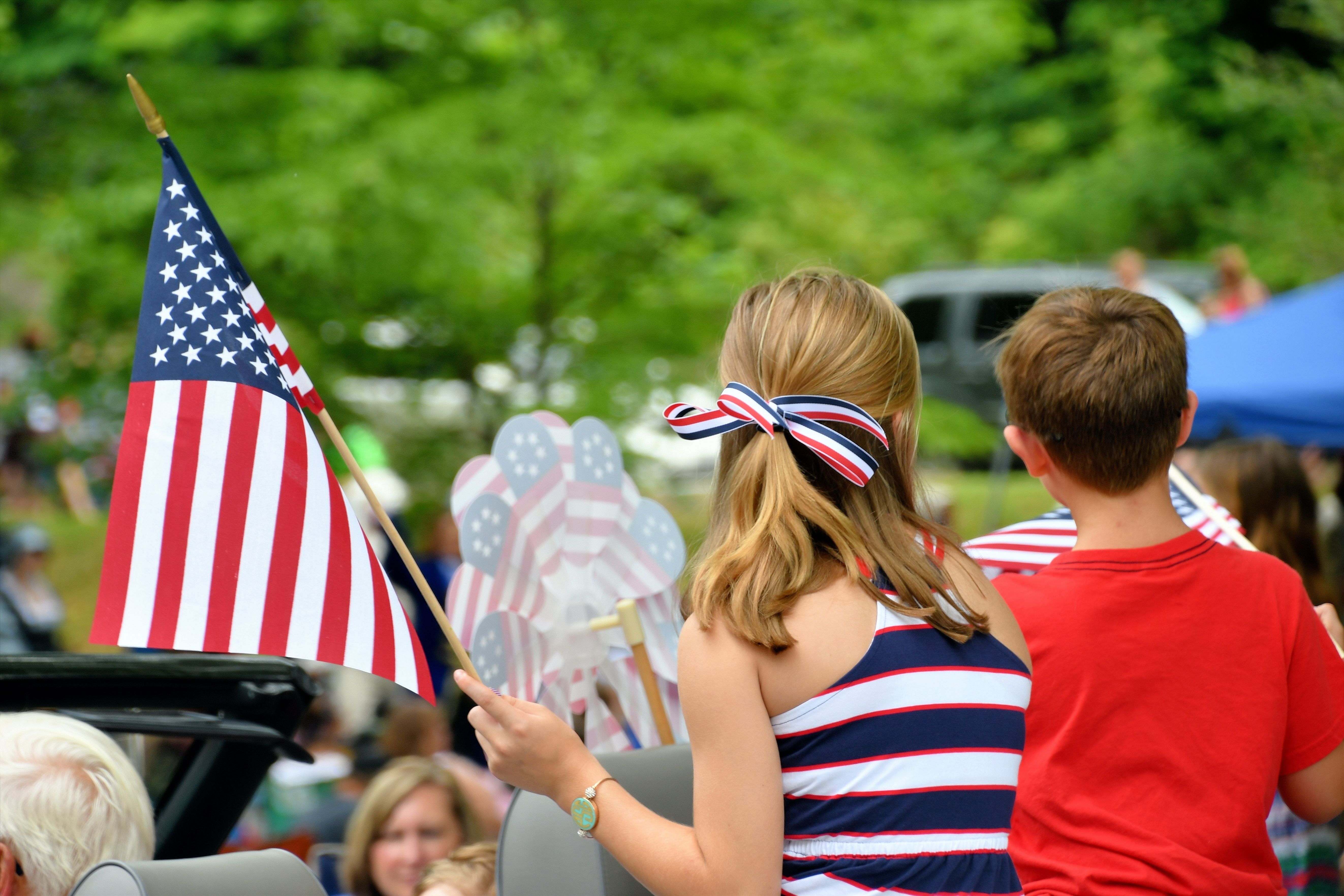
America’s 250th anniversary promises to be a memorable milestone, bringing communities together through parades, festivals, concerts, and fireworks. While these events create excitement and civic pride, they also increase exposure to risk. With thoughtful, proactive planning, municipalities can manage these challenges effectively and ensure celebrations remain safe and successful.
Start with Proactive Planning
Strong risk mitigation begins with early, organized planning. Municipalities should review each event with a focus on potential exposures, including large crowds, traffic impacts, and weather-related disruptions.
Keeping the approach straightforward is key. Clearly define roles across departments, establish communication protocols, and outline contingency plans. Even a brief planning session or tabletop exercise can help teams identify gaps and build action plans ahead of time.
Manage Crowds Effectively
Large gatherings are typical of these celebrations, so they require careful coordination. Designing event layouts with clearly marked entry and exit points helps maintain steady crowd movement and reduces congestion.
Simple measures like effective signage, designated walkways, and visible staff presence can significantly improve safety. When attendees understand how to navigate the space, the overall environment becomes more orderly and manageable.
Strengthen Vendor Oversight
Vendors enhance the event experience but can introduce additional risk if not properly managed. Municipalities should ensure all vendors provide appropriate insurance, name the municipality as an additional insured, meet permit requirements, and follow safety standards.
Particular attention should be given to higher-risk operations, such as fireworks displays, temporary amusement rides, and food services. Clear contracts and hold-harmless agreements, along with basic verification steps, help reduce liability and support smoother event operations.
Address Alcohol-Related Risk
If alcohol is part of the celebration, additional safeguards are essential. Municipalities should confirm that a liquor license or Special Designated License (SDL) is obtained prior to the event. Equally important is obtaining proof of Liquor Liability insurance from vendors, organizers, or any entity serving alcohol.
For beer gardens, establish controlled, fenced areas with ID checks at designated entry points. Provide trained staff and on-site security to monitor behavior and respond quickly. These measures help reduce alcohol-related risks while maintaining a safe, well-managed environment.
Protect Infrastructure and Public Spaces
High attendance can place extra stress on public infrastructure. Conducting pre-event inspections of streets, sidewalks, parks, and facilities helps identify and address potential hazards early.
Temporary structures like stages, tents, and seating areas should be installed securely and meet applicable safety standards. Adding lighting, barriers, or additional oversight in high-traffic areas can further protect both people and property.
Plan for Traffic and Access
Effective traffic management is an important part of reducing risk. Road closures, detours, pedestrian routes, and parking plans should be established in advance and clearly communicated.
Sharing updates through websites, social media, and signage ensures residents and visitors know what to expect. When traffic patterns are predictable and clearly marked, it reduces confusion and helps prevent accidents.
Prepare for Emergencies
Even well-organized events need to be ready for the unexpected. A coordinated emergency response plan ensures that police, fire, and medical services can act quickly if needed.
Placing first aid stations in high-traffic areas and providing access to hydration or cooling stations during warm weather events can reduce health-related incidents. Monitoring weather conditions and having clear guidelines for delays or cancellations also support consistent, safety-focused decision-making.
Review Insurance Coverage
While planning any celebration, it’s wise to review the municipality’s insurance coverage to ensure it aligns with planned activities. Confirm that proper coverage is in place and that any event-specific risks are addressed.
Engaging with insurance providers or risk pools ahead of time can help identify gaps and provide added peace of mind as celebrations approach.
Communicate Clearly with the Public
Clear communication ties all risk mitigation efforts together. Providing straightforward information about event logistics, safety expectations, and routes helps attendees make informed decisions.
Maintaining a positive and professional tone encourages cooperation and creates a sense of shared responsibility. Volunteers or event ambassadors can also support communication efforts and provide guidance on the ground.
A Thoughtful Approach to a Historic Event
America’s 250th anniversary is a once-in-a-lifetime opportunity for communities to come together and celebrate. By focusing on practical risk mitigation such as planning ahead, managing crowds, addressing related exposures, and staying prepared, municipalities can reduce risk while still delivering safe, memorable events for everyone.
by James Kelley, LARM Loss Control Specialist
Contact James.kelley@larmpool.org for more information.


