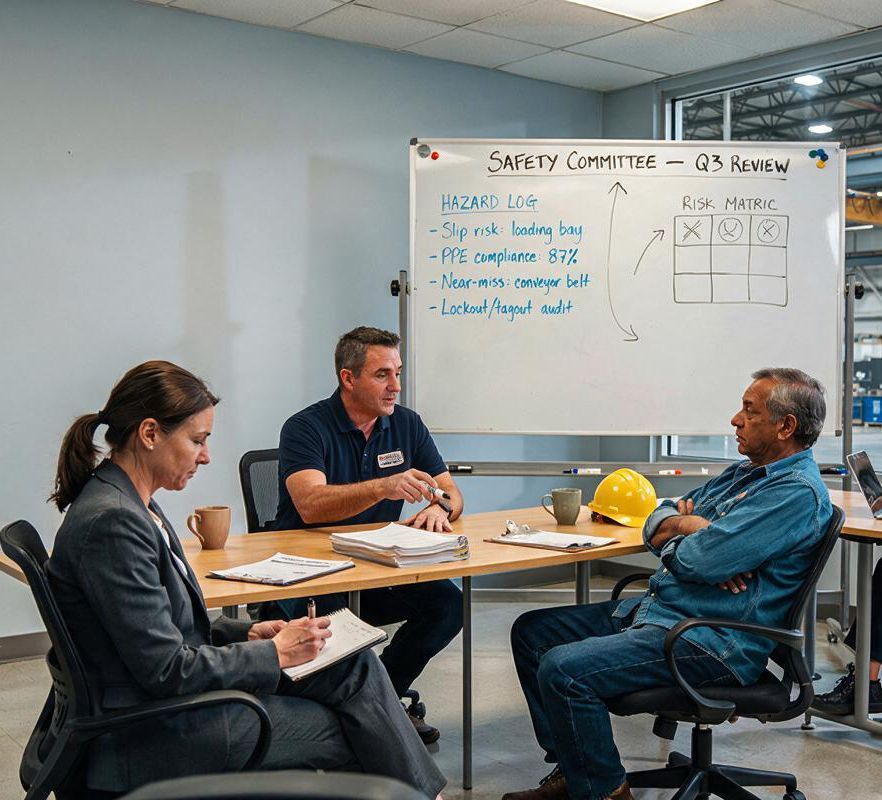
For Nebraska municipalities, workplace safety is about more than compliance; it’s a critical part of protecting employees, controlling workers' compensation costs, and providing reliable public services. One of the most effective tools for improving workplace safety is an active and engaged safety committee.
A safety committee serves as a link between employees and management, helping identify hazards, recommend solutions, and promote a culture where safety is everyone's responsibility. When properly supported, safety committees can reduce accidents and injuries, improve communication, and strengthen overall risk management efforts.
Why Safety Committees Matter
Municipal employees face a wide range of hazards every day. Public works crews operate heavy equipment, utility workers encounter electrical and excavation risks, parks employees use power tools, and office staff face ergonomic concerns. Because municipal operations are so diverse, it takes input from multiple departments to identify and address potential hazards effectively.
Safety committees provide that collaboration by bringing together employees with different experiences and perspectives. Their efforts help municipalities proactively address risks before accidents occur.
Key Roles and Responsibilities
- Conduct Workplace Inspections
Regular inspections of facilities, vehicles, equipment, and work areas help identify hazards before they lead to injuries. Committee members can evaluate public works facilities, utility operations, parks, administrative offices, and other municipal workplaces to ensure safe conditions exist.
- Review Accidents and Near-Miss Incidents
Every injury, vehicle accident, property damage claim, or near miss presents an opportunity to learn. Safety committees should review incidents, identify root causes, recommend corrective actions, and share lessons learned throughout the organization. The focus should always be on prevention rather than blame.
- Promote Safety Awareness
Safety committees help keep safety visible by sharing monthly safety topics, promoting seasonal awareness campaigns, and encouraging safe work practices. Consistent communication reinforces safety expectations and helps create a stronger safety culture.
- Recommend Safety Improvements
Committee members should actively identify opportunities to reduce risk and improve workplace safety. Recommendations may include:
- Improving personal protective equipment (PPE)
- Updating safety policies and procedures
- Enhancing employee training programs
- Implementing facility or equipment improvements
- Reviewing and updating emergency action plans
- Addressing employee-reported safety concerns
By focusing on practical solutions, safety committees can make meaningful improvements that protect employees and reduce losses.
Assist with Training Efforts
Safety committees can help identify training needs and support educational programs on topics such as defensive driving, excavation safety, hazard communication, ergonomics, and slip, trip, and fall prevention.
Characteristics of Successful Committees
The most effective safety committees share several common traits:
- Diverse representation from multiple departments and job functions.
- Regular meetings with agendas, meeting minutes, and action-item follow-up.
- Strong management support and commitment to implementing reasonable recommendations.
- Active employee involvement and open communication.
- A focus on action, ensuring identified hazards are corrected promptly.
Final Thoughts
A safety committee is one of the most valuable risk management resources available to Nebraska municipalities. By conducting inspections, reviewing incidents, promoting safety awareness, assisting with training, and recommending improvements, including regular reviews of emergency action plans; safety committees help create safer workplaces and stronger organizations.
When employees and leadership work together through an effective safety committee, municipalities can reduce injuries, control costs, and better serve the communities that depend on them every day.


